Introduction
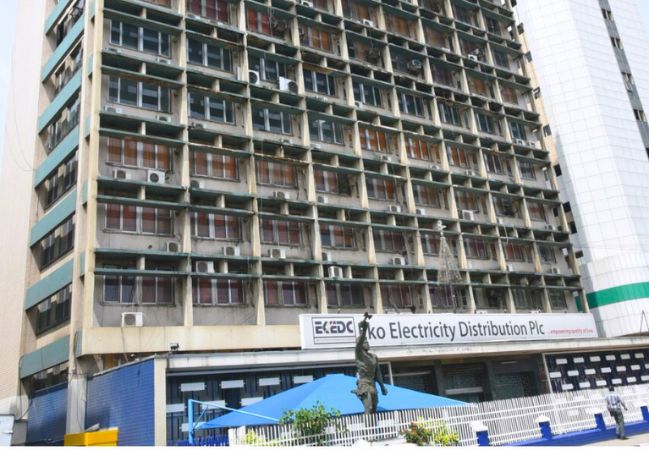
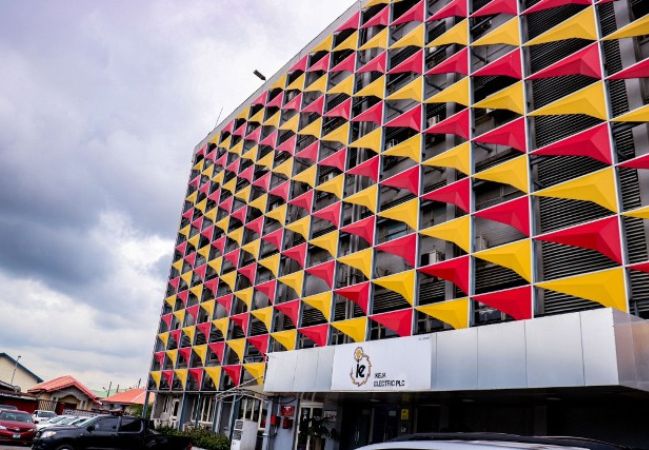
Two Electricity Distribution companies (Discos) handle the distribution of electricity in Lagos State: Eko Electricity Distribution Company (EKEDC) and Ikeja Electricity Distribution Company (IKEDC). However, on December 3, 2024, in furtherance of the provisions of the Electricity Act, 2023, the Lagos State Government passed the Lagos State Electricity Bill, 2024 into law (the “Law”). This new law repeals the Electric Power Sector Reform Law (2018) and establishes a comprehensive regulatory framework for the Lagos Electricity Market (the “Market”).
This transfers the regulatory oversight from the Nigerian Electricity Regulatory Commission (NERC) to the Lagos State Electricity Regulatory Commission (LASERC). This change empowers Lagos State to independently manage its intrastate electricity market, aiming to address local energy challenges more effectively.
The real potential of electricity lies not in providing social amenities but in stimulating long-term economic development
— Christopher Flavinise
Implications for Distribution Companies (DisCos)
Under the new regulatory framework, both entities are mandated to establish subsidiaries—Eko DisCo’s SubCo and Ikeja DisCo’s SubCo—dedicated to managing intrastate electricity supply and distribution within Lagos State. These subsidiaries must be incorporated within 60 days from December 5, 2024, and subsequently apply for licensing under LASERC. All processes are to be finalized by June 4, 2025, ensuring a structured transition to state-level regulation.
Strategic Path Forward for DisCos
1. Regulatory Compliance:
DisCos should prioritize the swift establishment of their respective subsidiaries to meet the stipulated deadlines. Timely incorporation and licensing under LASERC are crucial to maintaining operational continuity and compliance.
2. Stakeholder Engagement:
Active collaboration with LASERC is essential to align with new regulatory expectations. Engaging in open dialogues will facilitate a smoother transition and foster a cooperative regulatory environment.
3. Operational Adaptation
DisCos must reassess and adjust their operational strategies to align with LASERC’s guidelines. This includes potential restructuring, investment in infrastructure, and adopting innovative technologies to enhance service delivery.
4. Customer-Centric Approach:
With regulatory oversight now closer to the consumer base, DisCos have an opportunity to implement customer-focused initiatives. Improving service reliability, transparency in billing, and responsive customer service can strengthen consumer trust and satisfaction.
5. Investment in Infrastructure:
To meet the growing energy demands of Lagos State, DisCos should invest in modernizing the grid, reducing technical losses, and integrating renewable energy sources. Such investments will not only improve efficiency but also align with global energy trends.
6. Third Party Players:
There are provisions in the new bill to encourage third-party access to transmission and distribution infrastructure. This way takes out some bottlenecks for individual participants seeking to play in these markets without the top-to-bottom investment capital to join in.
Conclusion
In conclusion, the shift to state-level regulatory autonomy presents both challenges and opportunities for DisCos in Lagos. By proactively adapting to the new regulatory landscape, focusing on operational excellence, and prioritizing customer satisfaction, DisCos can position themselves to thrive under LASERC’s oversight and contribute to a more robust and reliable electricity supply for Lagos State.