
Introduction
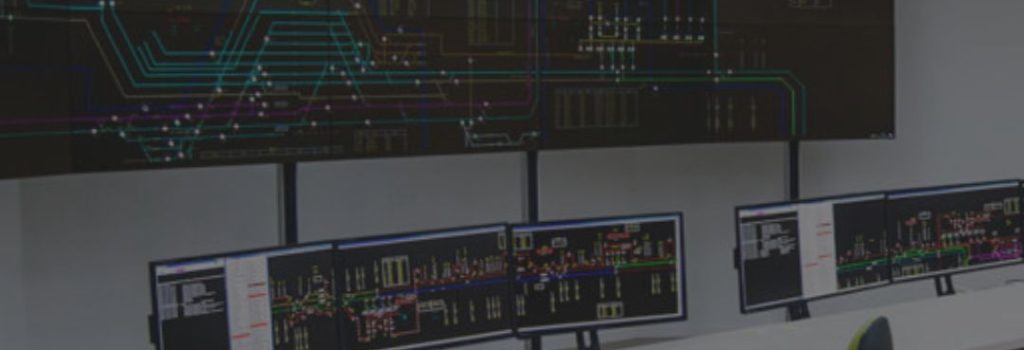
Supervisory Control and Data Acquisition (SCADA) and Distribution Management Systems (DMS) form the backbone of reliable power distribution. However, legacy systems often limit visibility, scalability, and automation. To address these challenges, I led a project to modernize the SCADA/DMS infrastructure, ensuring real-time monitoring, improved fault response, and smarter grid operations.
Project Overview
The project focused on upgrading the existing SCADA/DMS platforms in a large electricity distribution network spanning multiple substations and thousands of transformers. The upgrade aimed to replace outdated systems with next-generation SCADA/DMS solutions that integrate advanced analytics, automation, and real-time data acquisition.
Key stakeholders include:
- Operations Technology Department
- Grid Control & Dispatch Teams
- IT/OT Cybersecurity Teams
- Regulatory Compliance Officers
The Goal
The primary objective was to upgrading the existing SCADA/DMS platforms to integrate advanced analytics, automation, and real-time data acquisition. Specifically, the project aimed to:
- Enhance real-time visibility of grid operations.
- Enable faster fault detection and automated switching.
- Integrate modern technologies such as GIS and IoT sensors.
- Improve cybersecurity and compliance with updated regulations.
- Reduce downtime and technical losses across the network.
Asset Management Software (AMS) is a digital solution that helps organizations track, manage, and optimize their assets, physical or otherwise.
Qualitrol Corp Tweet
The Process
1. System Audit – Evaluated limitations of existing SCADA/DMS platforms.
2. Requirement Definition – Identified functionality gaps: outdated HMIs, limited data storage, poor interoperability.
3. Vendor Selection – Engaged global SCADA/DMS solution providers.
4. System Design – Developed architecture for integration with GIS, AMI (Advanced Metering Infrastructure), and IoT sensors.
5. Implementation – Phased migration to minimize downtime; installed new RTUs, upgraded PLCs, and deployed modern HMI interfaces.
6. Testing & Commissioning – Conducted simulations, redundancy checks, and failover drills.
7. Training & Handover – Equipped control room operators and field staff with hands-on training.
The Solution
The final solution features:
- Deployment of a next-gen SCADA/DMS platform with enhanced HMIs.
- Integration with GIS for asset visualization and AMI for load monitoring.
- Cloud-enabled data storage and analytics for predictive insights.
- Cybersecurity enhancements, including firewalls and intrusion detection.
- Mobile access for field engineers to view grid data on the go.
The Result
The implementation of this Supervisory Control and Data Acquisition (SCADA) and Distribution Management Systems (DMS) is significant for the improvement in the company’s asset management capabilities. This project demonstrates the futuristic impact the SCADA system incorporates to that drive business success.
- 67% reduction in outage response time
- 30% decrease in technical losses due to better load balancing.
- Increased grid stability through automated fault isolation and service restoration.
- Improved compliance with regulatory standards on cybersecurity and reporting.
- Strengthened collaboration between field teams and control centers.