
Introduction
As power utilities digitize, Operational Technology (OT) systems such as SCADA, DMS, PLCs and RTUs face growing cyber risk. Unlike IT systems, OT controls physical processes in real time, so a breach can mean power outages, equipment damage and safety hazards.
I led a comprehensive OT cybersecurity programme for a large electricity distribution utility. It moved the organization from a reactive, perimeter-based defense to a proactive, layered security model that protects critical infrastructure, keeps operations running and meets regulatory requirements.
The Challenge
The utility’s OT environment spanned control centers, substations and field devices, and carried the typical risks of legacy industrial systems:
Key stakeholders include:
- Insecure legacy protocols (Modbus, DNP3)
- No network segmentation between IT and OT
- Weak password practices and limited access control
- Little visibility into threats across field communication networks
Objectives
- Secure critical infrastructure: Harden SCADA/DMS, substations and field equipment against intrusion.
- Ensure operational continuity: Detect and contain threats early to minimize downtime.
- Achieve regulatory compliance: Align with NERC, IEC 62443 and national cybersecurity regulations.
- Build human resilience: Reduce insider and social engineering risk through training.
Key stakeholders: OT Team (system ownership), Cybersecurity Division (design and monitoring), Executive Leadership (oversight) and regulatory authorities.
You cannot protect what you cannot see, and in OT, what you cannot see can physically hurt you.
IT/OTCybersecurity Tweet
My Approach
1. OT Risk Assessment and Penetration Testing – Ran vulnerability scans across SCADA/DMS environments, mapped attack surfaces across substations, PLCs and RTUs, and led red-team testing on field communication networks.
2. Architecture Review and Gap Analysis – Identified insecure legacy protocols, flat IT/OT networks and weak access controls, then prioritized remediation by operational risk.
3. Secure Design and Implementation –
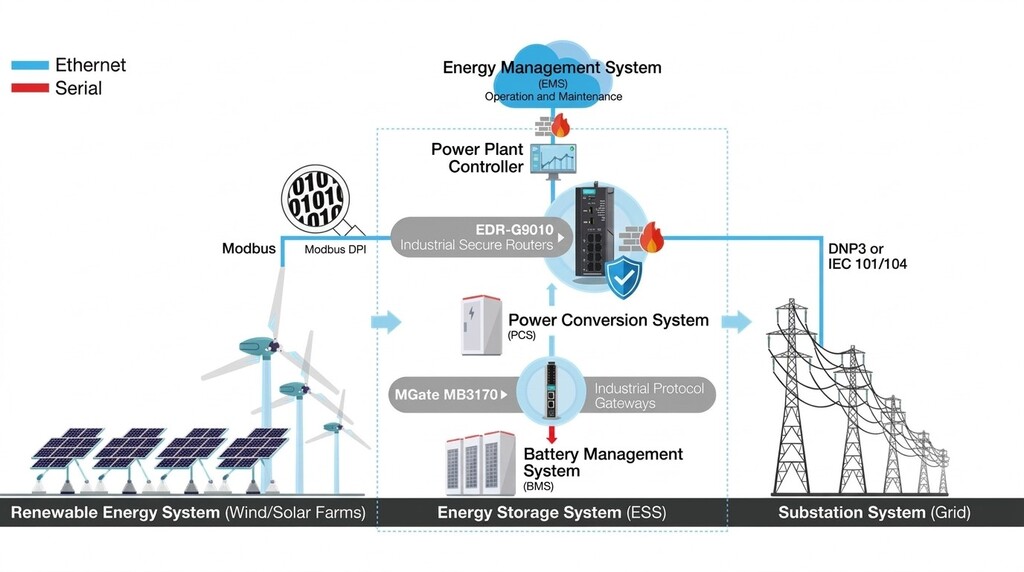
- Built a zoned network architecture separating IT, OT and DMZ
- Deployed next-generation firewalls, IDS/IPS and SIEM
- Enforced multi-factor authentication (MFA) on all privileged accounts
- Established patch management and endpoint protection for critical OT devices
4. Monitoring and Incident Response – Integrated OT systems into a real-time monitoring dashboard with SIEM correlation rules, developed an OT-specific Incident Response Playbook (malware, ransomware, insider threats), and designed the roadmap for a 24/7 Security Operations Center (SOC).
5. Training and Awareness – Delivered cyber hygiene training for operators and engineers and ran phishing simulations to measure readiness.
6. Audit and Compliance Alignment – Documented security policies, supported third-party audits and closed regulatory gaps with measurable evidence of controls.
Results
Business Impact
This programme turned a fragmented, reactive security posture into a structured, proactive and compliant one. It protected grid reliability and positioned the utility as a regional leader in OT cybersecurity resilience.
Skills and Technologies Demonstrated
- OT/ICS cybersecurity
- SCADA and DMS security
- Zero Trust
- IT/OT network segmentation
- SIEM and IDS/IPS
- Privileged access management
- Incident response planning
- Penetration testing
- NERC and IEC 62443 compliance
- Critical infrastructure protection
Need to Secure Your Operational Systems?
I help utilities, energy companies and industrial operators protect critical infrastructure without disrupting operations. Get in touch to discuss your OT security needs.